Avoid hidden fees in Blackfriars rubbish removal quotes
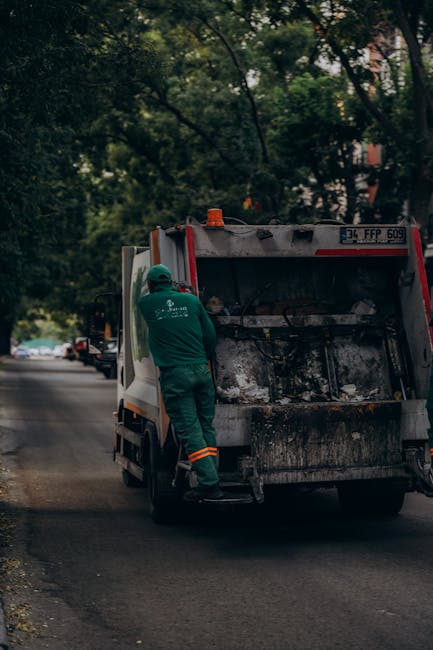
If you've ever asked for a rubbish removal price and then felt that uneasy little pause before saying yes, you're not alone. The quote sounds fine at first, then the extra charges start creeping in: loading fees, access fees, parking surprises, disposal add-ons, VAT confusion. It's frustrating, and truth be told, it can turn a straightforward clearance into a proper headache.
This guide explains how to avoid hidden fees in Blackfriars rubbish removal quotes without wasting time or second-guessing every line item. You'll learn what a fair quote should include, which costs are easy to miss, how to compare providers properly, and what to ask before booking. If you want a cleaner, calmer decision, this is the place to start.
In a busy part of central London like Blackfriars, where access, parking, and timing can all affect the job, clarity matters. A lot. One vague quote can look cheap on paper and end up costing more than a transparent one. Let's keep it simple and make the numbers make sense.
- Why avoiding hidden fees matters
- How rubbish removal quotes are usually built
- Key benefits of getting a fully transparent quote
- Who this advice is for
- Step-by-step guidance
- Expert tips to compare quotes properly
- Common mistakes to avoid
- Tools, resources and practical recommendations
- Law, compliance and best practice
- Quote comparison table
- Real-world example
- Practical checklist
- Conclusion
- Frequently asked questions
Why avoiding hidden fees in Blackfriars rubbish removal quotes matters
A rubbish removal quote should help you make a decision, not hide the real cost behind small print. The problem with hidden fees is that they rarely arrive as one dramatic charge. More often, they arrive in pieces. A "small" access fee here. A "late booking" fee there. An extra charge because the lift is out of order. Before long, the final bill is nothing like the number you expected.
That matters even more in Blackfriars because the area can present practical complications that some providers treat as optional extras. Narrow entrances, controlled parking, shared buildings, loading restrictions, and time-sensitive collections all make clear pricing essential. If the company hasn't asked the right questions up front, there is a good chance they'll make up the difference later.
Here's the real issue: when a quote is unclear, you cannot compare value properly. A provider who looks cheaper may simply be omitting costs that another company has included honestly. So the goal is not just to find the lowest number. It's to find the most complete one.
Expert summary: A trustworthy rubbish removal quote should explain what is included, what could change the price, and when any extra charge would apply. If those three things are missing, keep asking questions.
How avoiding hidden fees in Blackfriars rubbish removal quotes works
Most rubbish removal pricing is based on a few core factors: the amount of waste, the type of waste, access to the property, labour required, and disposal costs. That sounds simple enough, but the details matter. The quote should make it clear how each factor affects the final price.
In practice, a proper quote often starts with a description of the job. For example: a one-bedroom flat clearance, office waste collection, builders' waste removal, or furniture disposal. Then the provider may ask for photos, an estimate of volume, or details about access. This is where the quote becomes more accurate. Without that information, pricing can become a guess. And guesses, as you can imagine, tend to get expensive later.
If you want a useful starting point, a clear pricing page such as pricing and quotes is the kind of resource that should tell you how the company structures its charges. That transparency is exactly what you want before booking anything.
A transparent quote usually does one of two things:
- gives a fixed price for a clearly described job, or
- gives a range with specific conditions that explain what might change it
Neither approach is automatically better. What matters is honesty. If the price can change, you should know why, by how much, and under what circumstances. No mystery. No drama.
Key benefits and practical advantages
Avoiding hidden fees is not just about saving money, although that's obviously nice. It also makes the whole process easier to manage, especially when you are trying to clear a space quickly.
1. You can compare providers fairly
When all quotes include the same basics, you can compare like with like. That means you are judging real value, not clever wording.
2. You avoid awkward surprises on collection day
No one wants to be standing in a doorway while a team says, "Actually, there's an extra charge for that." It's awkward, and it creates pressure at the worst possible moment.
3. You keep better control of your budget
Whether you're clearing a flat, disposing of office junk, or booking home clearance, knowing the total cost in advance helps you plan properly. That's especially useful if you're working to a tight deadline or handling a move.
4. You make better decisions about what to remove
Transparent pricing can help you decide whether to remove everything at once or split the work into stages. Sometimes a few small changes to the load can make the job more efficient. Sometimes it cannot. Either way, at least you'll know.
5. You reduce the risk of unreliable operators
Companies that are vague about price are often vague about the rest too. Not always, but often enough to be worth noticing.
For businesses, the benefit is even sharper. If you're arranging regular collections or one-off clearance for a workplace, it's worth reviewing business waste removal options alongside the quote terms, because recurring charges can quietly add up over time.
Who this is for and when it makes sense
This guidance is for anyone who wants a rubbish removal quote they can actually trust. That includes homeowners, tenants, landlords, office managers, builders, letting agents, and small businesses in Blackfriars and the surrounding central London area.
You especially need to pay attention if:
- you are clearing bulky items like sofas, mattresses, or appliances
- you are removing waste from a flat with stairs or limited lift access
- you are booking at short notice
- you have mixed waste, not just one type
- you are dealing with builders' rubble, heavy materials, or awkward loads
- you need same-day or timed collection
Different jobs carry different risks. For example, a simple garage clear-out is one thing. A partially filled loft with boxes, broken furniture, and a heavy old fridge is another entirely. If you want the job to go smoothly, you need a quote that reflects the actual conditions, not a best-case guess.
It's also worth checking service-specific pages when relevant. If you are disposing of bulky household items, furniture disposal or mattress and sofa disposal information can help you understand what may affect the price. If you're clearing a workplace, office clearance is the more relevant starting point.
Step-by-step guidance
If you want to avoid hidden fees in Blackfriars rubbish removal quotes, follow a simple process. It's not glamorous, but it works.
- Describe the job clearly. Say what needs removing, how much there is, and where it is located. "A few bits" is not very helpful, as you might imagine.
- Provide photos or a short video. Visuals help a provider estimate volume and access more accurately. A quick phone video of the room or pile is usually enough.
- Ask what is included in the quote. Labour, loading, transport, disposal, parking, congestion or access issues, and VAT should all be clear if they apply.
- Ask what could change the price. This is the big one. Find out whether extra charges apply for stairs, distance from vehicle, heavy items, special waste, or delays.
- Check whether the quote is fixed or estimated. A fixed quote should stay fixed if the job matches the description. An estimate should explain the possible range and why it may move.
- Confirm the waste type. Some items need separate handling. If you've got hazardous materials, fridges, or electricals, ask first. Don't just assume.
- Review the terms before booking. This is the boring bit that saves money. The good news is, you only need to read the parts about pricing, cancellations, and extra charges.
- Get the final price in writing. Email, booking confirmation, or online quote summary. Anything written is better than memory.
If you're unsure whether a load includes restricted items, what can go in a skip is a useful reference point because it helps you think in terms of accepted waste categories. The point is not to book a skip here; it's to understand what may need separate handling in any clearance quote.
Expert tips for better results
In our experience, the best way to stop fee creep is to ask awkward questions before anyone arrives. Not rude questions. Just precise ones.
Ask about access before you mention price
Many hidden charges come from access problems, not the waste itself. If the property has stairs, no lift, limited loading space, or tricky parking, mention it early. A provider who knows the reality can quote properly.
Separate standard waste from specialist items
Mixed loads often create confusion. If you have furniture, appliances, confidential paperwork, or potentially hazardous items, say so from the start. A good company can then point you toward the relevant service, such as fridge and appliance removal, confidential shredding, or hazardous waste disposal.
Do not assume "all-in" means all-in
Some quotes sound inclusive but still leave room for surprises. Ask directly: "Is that the final price, assuming the job matches my description?" It's a plain question, and a good provider will not mind.
Watch the language used in the quote
Phrases like "subject to inspection," "from," "additional charges may apply," or "depending on access" are not necessarily bad. But they do mean you need more detail. The wording should be specific, not slippery.
Keep the booking summary handy
It sounds obvious, but people misplace quote emails all the time. When the crew arrives, you want the agreed details close at hand. Saves time. Saves friction.
If you value service quality as much as price, a company's background can matter too. Pages like about us, insurance and safety, and health and safety policy can help you judge whether the operation is set up professionally.
Common mistakes to avoid
Most quote problems come from a handful of familiar mistakes. Nothing dramatic. Just easy traps.
- Choosing only on the cheapest headline price. A low number is not a bargain if the extras double it later.
- Giving vague job details. "Some rubbish" is not enough. Be more specific.
- Forgetting about access. Stairs, parking, and distance from the vehicle can change the quote a lot.
- Not mentioning heavy or awkward items. A broken wardrobe is not the same as a bag of light household waste.
- Assuming all waste types are treated the same. They're not, and that matters for pricing.
- Skipping the terms and conditions. This is where many fee surprises are hiding in plain sight.
- Not checking VAT or minimum charges. A quote can look reasonable until tax or minimum call-out rules are added.
Here's a small one. People sometimes compare a fixed-price quote with an estimate and treat them as if they are the same thing. They are not. That comparison can send you in the wrong direction very quickly.
Tools, resources and recommendations
You do not need fancy software to avoid hidden fees. A phone, a few photos, and a clear checklist will do most of the job. Still, a little structure helps.
Useful things to prepare before requesting a quote
- photos of the waste from a few angles
- an estimate of how many bin bags or cubic metres you have
- the floor level and whether there is a lift
- parking restrictions or loading access notes
- a list of any bulky, heavy, or specialist items
Good pages to review before you book
If you want to understand service scope before asking for a price, these pages can be helpful:
- waste removal
- builders' waste clearance
- flat clearance
- house clearance
- recycling and sustainability
- payment and security
That last one is easy to overlook, but payment handling matters too. If a quote is clear and the payment process is transparent, the whole transaction feels more trustworthy. You can usually tell when a provider has thought things through.
Law, compliance, standards, and best practice
Rubbish removal is not just a price conversation. It also sits alongside proper waste handling, duty of care, and safe working practices. You do not need to become an expert overnight, but it helps to know the basics.
In the UK, waste should be collected and handled responsibly, and customers should be cautious about using anyone who cannot clearly explain how waste is managed. If a company looks vague about disposal routes, insurance, or what happens to the waste after collection, that's a warning sign.
Best practice in this sector usually includes:
- clear written pricing
- honest description of what is and is not included
- appropriate handling of specialist waste
- safe loading and transport procedures
- good communication about access, timing, and site conditions
- transparent policies for complaints and disputes
It is also sensible to check policy pages that show the business takes operations seriously. For example, a clear complaints procedure is a small detail that says a lot. So does a visible modern slavery statement, because it reflects broader supplier responsibility. These pages are not about pricing directly, but they do support trust.
And yes, if you are dealing with waste that may be hazardous or contains protected information, extra care is essential. That is one of those areas where "cheap and quick" can become expensive in all the wrong ways.
Options, methods, or comparison table
There are a few ways to approach rubbish removal pricing. The right choice depends on the size, type, and complexity of the job.
| Pricing approach | How it works | Best for | Watch out for |
|---|---|---|---|
| Fixed quote | One agreed price for a clearly described job | Well-defined clearances with good photos or details | Only safe if the description is accurate |
| Estimated quote | Price may shift after inspection or on arrival | Jobs with uncertain volume or access | Needs very clear conditions to avoid surprises |
| Item-based pricing | Charged per item or item group | Single items or small loads | Can become expensive if the load is mixed |
| Volume-based pricing | Charged by how much space the waste takes up | General household or office waste | Volume needs to be estimated honestly |
For many customers, fixed quotes are the easiest to understand. But they only work well when the job details are accurate. If you're not sure, a well-explained estimate can still be fair. The key is that the provider tells you how the price may change before they arrive, not after.
Case study or real-world example
Here's a realistic Blackfriars-style example.
A small office in a mixed-use building needed a clear-out: broken chairs, boxes of old files, a printer, a couple of desks, and one heavy cabinet. The first quote they received was attractive at first glance. It looked cheaper than the others, which is usually where the temptation starts.
But when they asked what was included, the answers became fuzzy. Loading was extra. Access via stairs might cost more. Parking was not covered. Disposal charges were "subject to the final load." That final bill would almost certainly have moved.
They then requested a more detailed quote from a provider that asked about floor level, item sizes, and whether the lift was working. The second quote was not the lowest headline price. But it was clearer, and it included the likely access issues. The office went with that one. On the day, there were no awkward add-ons, and the team got the space cleared before the end of the afternoon. Clean, simple, done.
That's the pattern you want. Not perfect. Just properly explained.
Practical checklist
Use this checklist before accepting any Blackfriars rubbish removal quote.
- Have I described the waste clearly and specifically?
- Have I shared photos or video where possible?
- Do I know whether the quote is fixed or estimated?
- Have I asked what is included in the price?
- Have I asked what could trigger extra charges?
- Have I mentioned stairs, lifts, parking, or access problems?
- Have I flagged any bulky, heavy, hazardous, or specialist items?
- Do I know whether VAT is included?
- Have I read the pricing, terms, and payment information?
- Do I have the final agreement in writing?
If you can tick all ten, you are in much safer territory. And if you cannot, ask again. Better to feel slightly fussy now than irritated later.
Conclusion
The easiest way to avoid hidden fees in Blackfriars rubbish removal quotes is to slow the process down just enough to make it clear. Ask what's included. Ask what could change. Explain access properly. Put the price in writing. Simple, really - though not always as simple as it should be.
When you do this well, you protect your budget, reduce stress, and make it much easier to choose a provider with confidence. That matters whether you're clearing a flat, emptying an office, or getting rid of a few bulky household items that have been annoying you for months.
For a better overall experience, review the relevant service pages, compare the wording carefully, and choose the quote that feels complete rather than the one that merely looks small. The right company should make pricing feel straightforward, not tricky.
Get a free quote today and see how much you can save.
And if you're still deciding, take a breath. A clear quote is out there, and once you've got it, the whole job tends to feel lighter.
Frequently Asked Questions
What counts as a hidden fee in a rubbish removal quote?
A hidden fee is any charge that was not made clear before you accepted the quote. Common examples include access charges, extra labour, parking costs, minimum call-out fees, or disposal surcharges that only appear later.
How can I tell if a Blackfriars rubbish removal quote is genuine?
Look for specificity. A genuine quote usually explains the waste type, access conditions, what is included, and what could change the price. If the wording is vague, ask for clarification before booking.
Should a rubbish removal quote include VAT?
It should be made clear whether VAT is included or added on top. A quote that ignores VAT can look cheaper than it really is, so always confirm the final figure.
Is a fixed quote better than an estimate?
Not always. A fixed quote is great when the job is clearly described. An estimate can still be fair if the provider explains the conditions that may affect the final price. The key is transparency.
Why do access issues affect rubbish removal pricing?
Because they change the time and labour needed to complete the job. Stairs, narrow hallways, no lift, or difficult parking can all make a collection more complicated, especially in central London buildings.
What should I tell the company before asking for a price?
Be specific about the waste, volume, floor level, parking, and whether there are any bulky or specialist items. Photos help a lot. A brief video can be even better.
Can I avoid hidden fees by sending photos?
Yes, photos are one of the easiest ways to improve quote accuracy. They help the provider estimate volume and understand access. It does not guarantee a fixed price, but it usually reduces surprises.
Are specialist items more expensive to remove?
Often, yes. Items like fridges, mattresses, sofas, confidential materials, or hazardous waste can require different handling or disposal arrangements. That is why they should always be mentioned upfront.
What if the team arrives and says the job is bigger than expected?
Ask them to explain exactly why. Compare that explanation with what you told them at the start. If the job truly differs from the description, a price change may be fair. If not, challenge it politely and refer back to the agreed quote.
Where can I check a company's policies before booking?
Useful pages to review include pricing and quotes, payment and security, terms and conditions, complaints procedure, insurance and safety, and health and safety policy. They won't tell you everything, but they do reveal a lot about how the company works.
How do I compare two rubbish removal quotes properly?
Compare the same details: waste type, access, labour, disposal, VAT, and any possible extras. Do not compare a vague estimate with a fully itemised quote and assume the cheaper one is better. That's where people get caught out.
What is the safest next step if I'm unsure about a quote?
Ask for the quote in writing and request a breakdown of any possible extras. If the answers stay unclear, it is usually wiser to keep looking than to book in a hurry.
And honestly, a little caution here saves a lot of grief later.