Health and Safety Policy — Commercial Waste Removal Blackfriars
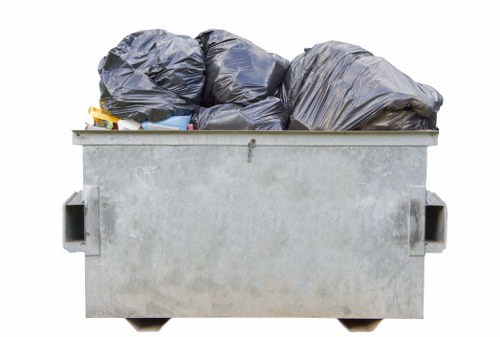 Purpose: This Health and Safety policy outlines the commitments and procedures for a commercial rubbish removal and waste collection service operating in the service area. It sets out the measures we take to protect staff, contractors, clients and the public when providing commercial waste removal, industrial refuse clearance and associated skip and bin services. The policy is intended to be a clear, enforceable framework ensuring legal compliance, continual risk reduction and consistent safety standards across all operations.
Scope and Responsibilities
The policy applies to all employees, sub-contractors and visitors involved in commercial waste removal, commercial refuse pickup and site clearance activities. The operational manager holds overall responsibility for implementation and review. Supervisors and team leaders are accountable for on-site enforcement, while each operative must follow safe systems of work and report hazards immediately. Key responsibilities include completion of risk assessments, correct segregation of materials, safe manual handling and adherence to vehicle and traffic management controls.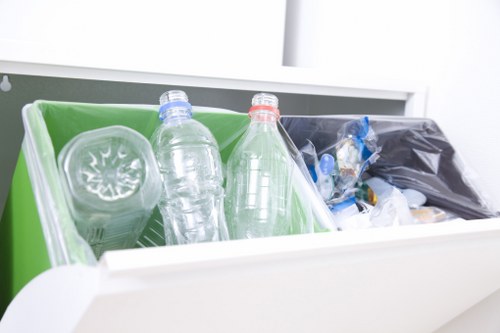 Risk assessment and control — Before commencing any commercial waste removal job, a documented risk assessment is required. Assessments will identify physical hazards, manual handling risks, traffic interface, trip and fall risks, hazardous materials and environmental risks such as spills and contamination. Controls will include use of appropriate personal protective equipment, exclusion zones, task-specific method statements and safe disposal routes. High-risk or hazardous waste will follow specialist handling protocols and will not be accepted for standard removal without prior authorization.
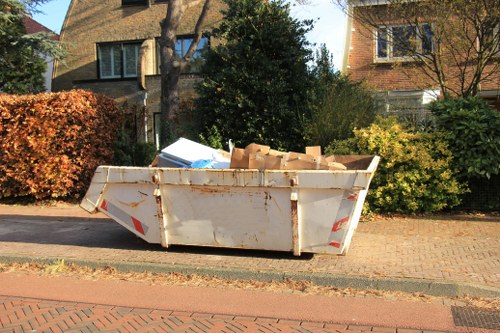 Training and competence — All staff engaged in rubbish collection, commercial waste removal and skip loading will receive induction and ongoing training relevant to their roles. Training covers manual handling, use of lifting aids, PPE use, hazardous materials awareness, traffic management and emergency procedures. Competence is verified through practical observation and recorded training logs. Temporary or agency staff will not be permitted to operate without documented induction and site-specific instruction.
Equipment, vehicles and maintenance
Vehicles and mechanical equipment used for refuse removal and bin transport will be maintained to manufacturer standards and inspected daily. Drivers and operators must perform pre-shift vehicle checks and report defects. Load security, weight distribution and safe access to vehicles are mandatory checks. Specialist lifting equipment and tippers will be operated only by trained personnel. A scheduled maintenance and inspection regime ensures all plant used in commercial rubbish clearance is safe and roadworthy.Personal protective equipment (PPE) — PPE is provided to meet identified risks and includes high-visibility clothing, safety footwear, gloves, eye protection and respiratory protection where required. The organisation enforces PPE use on site and during collection operations. Failure to wear specified PPE is treated as a disciplinary matter, and supervisors will ensure replacements are available and suitable for the task.
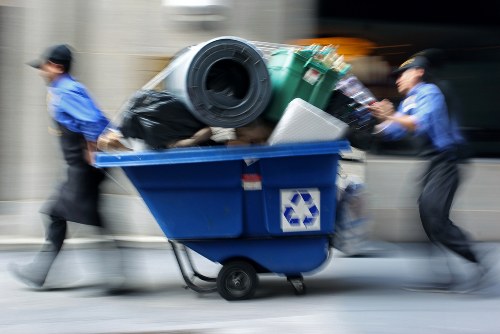 Waste handling and segregation — Correct segregation of commercial and hazardous waste is essential. Staff will follow clear labelling and containment procedures to minimise cross-contamination and environmental harm. Sharp objects are contained to prevent puncture injuries. Food waste and organic materials are separated where required. Recycling streams are maintained according to client agreements and statutory obligations. All transfers of waste are accompanied by required paperwork, consignment notes and duty of care documentation.
Incident reporting and emergency response — Any incident, near-miss or injury must be reported immediately and recorded in the incident log. The company maintains an emergency response plan covering spills, fire, vehicle collisions and medical emergencies. First-aid provision and trained first-aiders are available on-site or on-call. Investigations follow incidents to identify root causes and corrective actions to prevent recurrence.
 Monitoring, audit and continuous improvement — Health and safety performance is monitored through routine site audits, vehicle inspections and performance reviews. Key performance indicators include incident rates, compliance with safety checks and training completion. Findings lead to action plans and updates to method statements. Senior management reviews the policy annually or after significant incidents to ensure ongoing relevance and effectiveness.
The organisation commits to a proactive safety culture where every team member contributes to safe operations in commercial refuse removal, waste collection services and commercial rubbish disposal. Regular communication of safety bulletins, toolbox talks and briefings support awareness and reinforce expectations. Visitors and client representatives will be given site-specific safety information before entering operational zones.
Legal and regulatory compliance — The company acknowledges its statutory duties under health and safety legislation and environmental regulations relating to waste handling, transportation and disposal. It will maintain necessary permits and ensure that all waste transfers comply with the duty of care. Compliance is maintained through documentation, training and adherence to permitted waste streams and disposal routes.
This Health and Safety policy is a live document. It is communicated to staff and made available to relevant stakeholders. Regular review ensures alignment with best practice in commercial waste removal, commercial rubbish collection and site clearance operations, with an emphasis on reducing harm, protecting the environment and delivering reliable, safe services.