Commercial Waste Removal in Blackfriars
Commercial waste removal in Blackfriars needs to be practical, organised and suited to the way local businesses work. Our service covers everyday office rubbish, unwanted fixtures, packaging, storage clear-outs and other non-hazardous commercial waste that builds up during trading. We help businesses keep workspaces usable by removing material in a controlled way and handling disposal with the care that mixed commercial premises require.
For shops, offices, studios and managed buildings, the key is to match the collection to the waste stream. Mixed business waste often includes cardboard, plastic film, paper, old displays, small furnishings and general rubbish, so separating what can be recycled from what must go for disposal matters. Our approach is designed to make that process straightforward while keeping the work focused on the items that need to go.
If you are planning a clear-out or regular collection, use our quotation page to outline what needs removing and the access involved. If you are comparing options, start with a clear list of the waste types and the amount to be taken away. Then request a quotation when you are ready.
Business waste handled with a clear process
Commercial waste is rarely one single material. It often arrives as a combination of bagged rubbish, office paper, broken storage items and surplus stock, so the work has to be arranged around what is present on site. We can deal with one-off removals and planned collections, always keeping the focus on the removal task itself rather than turning the visit into a disruptive general tidy-up. This suits businesses that need a practical clear-out without overcomplicating the job.
When you are choosing how to organise a collection, it helps to think in terms of volume, access and separation. Waste that is neatly gathered and easy to reach is usually more straightforward to remove than mixed material spread across several rooms. For larger or more awkward loads, it can be helpful to describe where the waste is stored, whether any lifting is needed and whether the collection will involve upper floors, basements or shared entrances. Book online if the details are already clear.
Our business waste removal service is suitable for commercial premises that want a reliable way to clear non-hazardous material without needing a skip on the street. That can include office consumables, packaging, shelving, old stock and general clutter from storage areas. Where different materials are mixed together, we sort and direct items through appropriate handling routes so that reusable or recyclable material is separated where possible from residual waste.
Office and workspace clear-outs
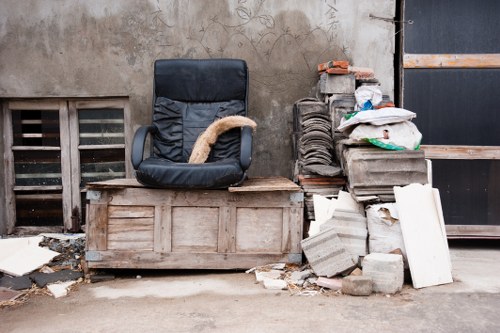
Offices and shared workspaces often build up waste in stages: archived paperwork, worn chairs, obsolete IT peripherals, broken desk units and cardboard from deliveries. Our office waste removal and office clearance options are intended for that kind of gradual accumulation as well as for end-of-lease or refurbishment moves. The aim is to clear the space efficiently while keeping the job suitable for an active workplace.
Office clearance is often the best fit where the waste includes furniture, filing items and redundant equipment rather than loose rubbish alone. We can remove unwanted desks, storage units, chairs and similar items alongside general office waste, provided the materials are within the scope of the service and safe to handle. If the job is mainly disposals rather than furniture, our commercial collection approach can still be used to keep the process focused and orderly.
To make an office job easier to price and plan, it usually helps to provide a simple breakdown of what is leaving the site. If you have cupboards, meeting room furniture or bulky stockroom items, note whether they are dismantled or still assembled. You do not need to prepare everything in advance, but a short description of access, lift use and loading conditions can make the quotation more accurate. Clear information saves time when the collection is being arranged.
Retail units, storage rooms and back-of-house waste
Shops and customer-facing premises often need waste cleared from the parts of the site that customers never see: back rooms, stock cages, delivery spaces and shared corridors. Commercial waste removal for these areas may involve broken fittings, packaging, out-of-date promotional materials or surplus display components. The work is best managed in a way that supports the business day rather than interrupting it, especially where access is limited or the premises remain open.
For these settings, the difference between a tidy removal and a difficult one is often in the detail. Items left stacked against walls, separated by material type or grouped by room are easier to remove safely than mixed piles that block access. We can take away waste from storage rooms and back-of-house areas when it is ready for collection, and we can also work around phased clear-outs when a site cannot be emptied in one go. If you want a straightforward starting point, request a quotation and describe the waste by area.
A commercial premises job may also involve practical constraints such as limited loading space, shared entrances or loading times that have to fit around staff and deliveries. Those factors do not make the work impossible, but they do affect how it is arranged. The best results usually come from matching the collection to the site layout and the amount of material involved, then removing the waste in one planned visit or a small number of visits rather than stretching the work out.
Furniture, fixtures and bulky items
Bulky items are a common part of commercial waste removal because they take up valuable floor space long after they have stopped serving a purpose. Old office chairs, tables, shelving, storage units, counters and lightweight reception items can all become part of a clear-out once a business updates its layout. Furniture disposal can be useful where the job is centred on removing a defined set of items rather than general rubbish alone.
If the waste includes mixed furnishings, it is sensible to check whether items are intact, partially dismantled or broken. That affects how they are carried, loaded and separated for disposal or recycling. Our furniture removal service can support commercial clients that need certain pieces taken away without disturbing the rest of the premises. Where possible, reusable material is kept distinct from residual waste so the load is managed sensibly.
Not every bulky item needs the same level of preparation. Small office pieces may be moved as they stand, while larger items can be easier to remove if drawers are emptied or removable parts are detached. We recommend a simple inventory when several objects are involved, especially if some are in storage and others are spread across different rooms. That helps you describe the load clearly and decide whether one visit will be enough.
Recycling, sorting and responsible disposal
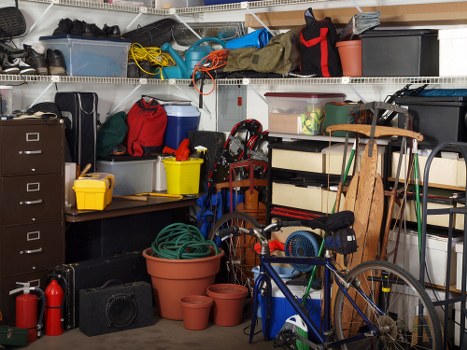
Good commercial waste removal is not only about lifting items away. It also depends on sorting the load so that recyclable materials, reusable items and residual waste can be handled appropriately. Cardboard, paper, certain plastics and metal components may be separated from general rubbish depending on the type of load and how it is presented. Recycling and sustainability explains how waste can be approached with that broader responsibility in mind.
For a business, sensible disposal usually means reducing contamination and keeping different waste streams apart where practical. That is especially relevant where packaging, paper records, furniture and miscellaneous rubbish appear together. Commercial jobs often go more smoothly when waste is grouped by material or room, because it is easier to see what can be sent onward for recovery and what must be treated as ordinary disposal. This improves clarity at the point of collection.
If you are arranging a clear-out, a few basic details are enough to begin: what the main materials are, whether the items are loose or bagged, and if any pieces require disassembly. There is no need to over-prepare, but a well-described load is easier to assess. Use the pricing and quotes page if you want to compare the practical factors before making a decision. Then ask for a quotation when the waste list is ready.
About Blackfriars
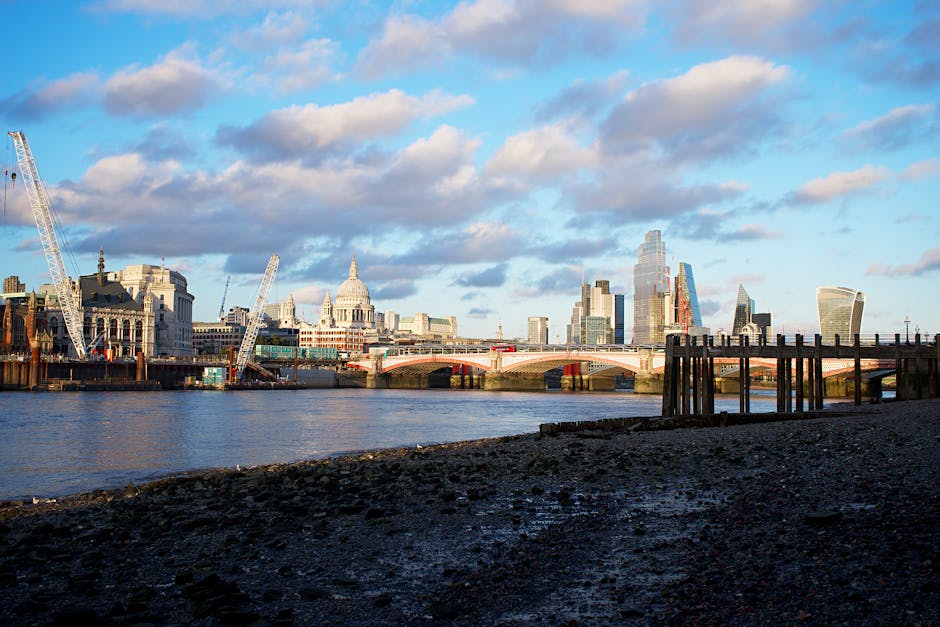
Blackfriars sits on the north bank of the River Thames in central London, taking its name from the Dominican friary that stood in the area from the 13th century until the Dissolution of the Monasteries. The locality is closely associated with Blackfriars Bridge, which spans the river here, and with Blackfriars station, a major Thames-side rail and Underground interchange that was substantially rebuilt in the 19th century and later redeveloped to improve mainline rail access. The district lies between the City of London and the western edge of the South Bank, so it forms part of a dense urban landscape of office buildings, riverfront routes and historic streets. Although the surrounding boroughs have changed greatly over time, the name Blackfriars remains tied to its medieval religious origins and later commercial development. Nearby landmarks include the river embankment, parts of the Victoria Embankment and the legal and civic buildings clustered toward the City. The area also connects closely with the Strand, Fleet Street and the bridges that link central London across the Thames. Its built environment reflects repeated change: medieval foundations, post-war rebuilding, modern office blocks and transport improvements all sit within a compact central area that still carries clear traces of its long history.
Clearance for refurbishment, moves and fit-outs
Some commercial waste removals happen because a space is being changed rather than simply emptied. Refurbishments, relocations and fit-outs can all produce waste in the form of old fixtures, redundant furniture, packaging, protective materials and dismantled fittings. Our service is suited to that kind of transitional work, where the site may need to stay partly functional while certain items are taken away and the rest of the project continues.
These jobs often benefit from a phased approach. A business may want one collection before contractors arrive, another once items have been stripped out, and a final removal once the space is ready for handover. That sort of planning can keep the site clearer and reduce clutter around work areas. Business waste removal is a useful route where the material is mixed and the priority is to keep the premises in workable condition during the changeover.
It is also worth distinguishing between the waste that belongs to the project and the materials that must remain on site. Labels, stock, archived documents and reusable equipment should stay separate from rubbish wherever possible. A tidy staging area makes collections easier, but we do not expect a perfect setup before a visit. If you can explain what is leaving, what is staying and how access works, the quotation can be prepared on a firmer basis.
What can be included in a commercial collection

Commercial waste removal can cover a broad mix of ordinary business items, provided they are within the service scope and safe to handle. Typical loads may include cardboard, paper, general rubbish, packaging, office furniture, shelving, shop fittings and other non-hazardous material. When a business has several waste types at once, it is useful to think about which items are bulky, which can be bagged, and which need special handling or separate disposal.
What can go in a skip can be helpful background when you are deciding how mixed waste should be organised, even if a skip is not the solution you choose. It gives a practical sense of the kinds of material that are usually acceptable in a general load and which items may need different arrangements. For businesses, that understanding helps avoid confusion when planning a collection or comparing disposal methods.
There are limits as well. Hazardous materials, confidential records and specialist items may need their own treatment or a separate service, depending on what is involved. If you know that the load includes appliances, sharp objects or sensitive paperwork, it is sensible to mention that at the quotation stage. The best way to keep the process straightforward is to state exactly what is present and let the collection be matched to the waste rather than assumed from a broad description.
Planning a quotation for your premises
A clear quotation usually depends on three things: the type of waste, the volume to be removed and how easy it is to access. That applies whether the job is a one-off office clear-out, a retail back-room removal or a mixed commercial collection. If you can describe the premises in ordinary terms, it becomes easier to see whether the work is likely to be straightforward, layered across several areas or best handled in stages.
For many commercial clients, the most useful information is simple. Tell us what needs removing, where it is located and whether any items are especially bulky. If there are loading restrictions, shared entrances or floors without lift access, include that too. One concise note is often better than a long explanation, provided it gives the facts needed to assess the job. If you are ready, use the booking page for the next step.
Our commercial waste removal service is intended to give businesses a practical way to clear unwanted material without unnecessary complication. Whether the load is primarily office waste, furniture or mixed business rubbish, the main aim is the same: remove it efficiently, sort it sensibly and leave the premises ready for the next stage of work. Request a quotation when you have the details to hand, and we can help you plan the collection.
Simple preparation that helps collections run smoothly
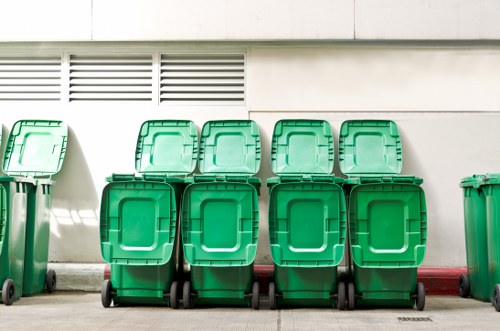
Two small preparations can make a commercial collection easier without turning it into a major task. First, gather the waste into a single place if that is practical and safe. Second, separate anything that should stay on site, such as files, equipment in use or items being reused elsewhere. These steps are not compulsory, but they often reduce confusion once the collection is under way and make the load easier to assess.
Where a business is dealing with several rooms or types of waste, a short written note can be enough: office furniture in one room, cardboard in another, broken storage in a third. That kind of description helps with planning and can avoid unnecessary back-and-forth. Pricing and quotes is a useful place to look if you want to understand how the service is generally arranged before making a decision.
If you are ready to clear the waste, the final step is straightforward: send the details, ask for the quotation and choose the collection that fits your timetable. Request a quotation today.