Pocket-Friendly Solutions for Disposing of Large Household Waste
Getting rid of bulky household waste items doesn't have to break the bank or hurt the environment. Whether you're renovating, spring cleaning, or simply decluttering, large household items like old furniture, appliances, and mattresses can pile up quickly. But what's the most cost-effective and responsible way to dispose of them? In this comprehensive guide, we explore pocket-friendly solutions for disposing of large household waste, ensuring that your home stays clean and your wallet stays healthy!
Understanding Large Household Waste
Large household waste, often referred to as bulky waste or hard rubbish, consists of items that are too big to be collected by regular waste services. Common examples include sofas, wardrobes, fridges, washing machines, beds, carpeting, and garden equipment.
- Furniture: Beds, sofas, tables, wardrobes, chairs
- Large appliances: Refrigerators, washing machines, ovens
- Mattresses and bedding
- Garden waste equipment: Lawnmowers, swings, trampolines
These items can't just be left on the curb with your regular trash. Improper disposal can result in fines, environmental issues, or clutter that becomes a hazard. So, how do you get rid of large household waste without emptying your wallet?
Cost-Effective Solutions for Bulky Waste Removal
1. Use Your Local Council's Bulk Waste Collection Services
One of the most pocket-friendly methods for disposing of bulky items is to take advantage of your local council's bulk item pick-up or large item disposal service. Many municipalities offer free or low-cost periodic collections specifically for large items.
- How It Works: Residents can schedule a pick-up, place items on the curb during a designated period, and the service will collect them.
- Benefits: Free or very cheap, reliable, and saves you transport costs.
- Tips: Sort items by type (e.g., metal, electronics, soft furnishings) for easier recycling and compliance with local recycling rules.
For more information, check your city's website for details about bulky waste pick-up day and acceptable items.
2. Visit Your Nearest Household Waste Recycling Centre (HWRC)
If you have access to a vehicle and are able to transport items yourself, visiting your local recycling centre or civic amenity site is an economical choice. Most councils allow residents to drop off large household items for free or at a minimal fee.
- What You Can Dispose: Furniture, mattresses, old appliances, garden waste, and more.
- Advantages: Cost-effective, encourages recycling, and can sometimes be combined with donations for reusable items.
- Important Tip: Always check what items the centre accepts ahead of time and if you need to book a slot in advance.
3. Donate or Offer Items for Reuse
Before disposing of large household waste, consider if the item can be reused. Many organizations and charitable groups accept items in good condition and may even offer free pick-up services.
- Charities & Non-Profits: Look for local charities, churches, or NGOs that accept furniture, working electronics, and household goods.
- Online Marketplaces: Post items for free pickup on sites like Craigslist, Facebook Marketplace, Freecycle, or Gumtree.
- Community Groups: Check neighborhood social media groups, where someone might be looking for exactly what you have.
Not only do these approaches save you disposal fees, but they also extend the life of products and help people in need.
4. Sell Unwanted Bulky Items
If your large household items are still in usable condition, why not turn waste into cash? Selling old furniture or appliances is a double win: you clear your space and earn money.
- Online Platforms: Use eBay, OfferUp, LetGo, or dedicated local apps for selling used items.
- Garage Sales: Organize a yard sale or take part in community sales to find buyers for larger pieces without transport hassles.
- Tip: Be honest about the item's condition; include measurements and clear photos to attract buyers and avoid misunderstandings.
Eco-Friendly (and Affordable) Disposal Methods
5. Upcycling and DIY Transformation
A little imagination can transform what appears to be waste into something useful or beautiful. Upcycling has gained popularity as a sustainable and fun way to repurpose old furniture and materials.
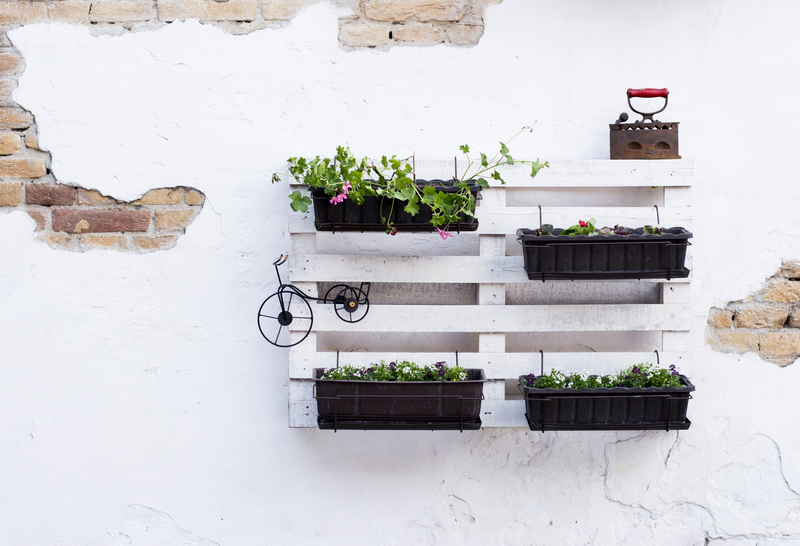
- Repurpose: Turn an old door into a rustic table, or convert pallets into garden furniture.
- DIY Projects: Scour Pinterest or YouTube for creative inspiration on transforming large household waste into new treasures.
- Benefit: Pocket-friendly, reduces landfill and you might end up with a unique piece for your home!
6. Appliance Take-Back Schemes
Major retailers often provide take-back or exchange programs for old appliances when you buy a new one. This is especially common with refrigerators, washing machines, and other white goods.
- Ask Retailers: Many stores offer free removal of the old appliance when delivering a new one.
- Manufacturer Programs: Some brands have dedicated recycling schemes for products at end-of-life.
- Environmental Benefit: These programs ensure proper recycling or responsible disposal, often at no extra cost to you!
7. Participate in Community Clean-Up Events
Many communities organize annual or bi-annual clean-up drives that collect large household waste at no or very low cost for residents.
- How to Find Them: Check your local council newsletter, community notice boards, or social media events pages.
- What's Accepted: These events often cover everything from sofas to garden waste and old electronics.
- Benefit: A convenient and communal solution that's both cost-effective and socially engaging.
Additional Ways to Save Money on Large Waste Disposal
8. Share Disposal Costs with Neighbors
Do you and your neighbors have bulky waste to get rid of? Consider pooling resources for a more economical solution.
- Skip Hire Co-Ops: Renting a small dumpster or skip isn't always cheap, but sharing the cost with a group can make it surprisingly affordable.
- Coordinated Pick-Ups: Arrange a group pick-up with a local junk removal company for group discounts.
- Neighborhood Collection Days: Some communities organize bulk item days to make disposal cheaper and more accessible.
9. Hire a Man-with-a-Van Service
These affordable waste removal operators are often less expensive than full-service junk companies. They'll pick up, load, and responsibly dispose of your large items.
- Pros: Flexible, can often be booked last-minute, and sometimes cheaper than renting a skip or dumpster.
- Cons: Always check for proper licensing to ensure your waste is disposed of legally and eco-responsibly.
10. DIY Dismantling for Easier Disposal
Bulky items like wardrobes, beds, or couches take up a lot of space, making them harder--and sometimes more expensive--to dispose of. Disassembling items can reduce disposal fees and make transport easier.
- Tools Needed: Basic screwdriver, hammer, safety gloves, and sometimes a saw.
- Benefits: Smaller parts fit better in your vehicle or curbside pick-up, potentially saving you money.
- Recycling Sorted Parts: Metals, plastics, and woods can often be recycled separately for free or at a lower fee.
What Items Should Never Go in Landfill?
Not all large household waste is suitable for landfill. Certain items are strictly regulated and require special handling:
- Electronics (WEEE): Old TVs, computers, and printers must go to certified recycling centers.
- White Goods: Fridge-freezers and air conditioners contain hazardous coolants and must be properly disposed of.
- Batteries & Chemicals: Always use special disposal points for these substances.
- Mattresses: Many contain fire-retardant chemicals and should not be dumped--take to dedicated collection points.
Always check with your local waste authority for advice on safe and legal disposal.
The Environmental Impact of Proper Bulky Waste Disposal
Keeping bulky household waste out of landfills is not just about saving space or money--it's about protecting the planet. Responsible large item disposal helps to:
- Reduce landfill waste: Large items can take decades or even centuries to break down.
- Lower pollution: Reduce the release of dangerous chemicals from appliances and upholstered furniture.
- Preserve resources: Recycling metals, plastics, and textiles conserves raw materials and energy.
When you choose pocket-friendly and eco-friendly methods for disposing of large household waste, everyone wins.
Quick Checklist: Cheap and Efficient Bulky Waste Disposal
For an easy summary, here's your go-to checklist for budget-friendly and responsible large household waste disposal:
- Check free or low-cost local council collection days.
- Use recycling centers for self-drop-off.
- Donate or offer items for free to charity or online groups.
- Sell usable items through online platforms or yard sales.
- Upcycle or repurpose items to prevent waste.
- Leverage appliance retailer take-back schemes.
- Participate in community clean-up events.
- Share disposal costs with neighbors or friends.
- Book affordable man-with-a-van services if needed.
- Dismantle large items to reduce volume and costs.
Conclusion: Make Bulky Waste Disposal Easy and Affordable
Disposing of large household waste doesn't have to be stressful or expensive. With a bit of advance planning, creativity, and community spirit, you can clear out your space, help the environment, and save money! Remember, the most pocket-friendly solutions for disposing of large household waste are often the ones that also give back to your community and the planet.
So, next time you face a mountain of bulky junk, revisit this guide and choose a budget-friendly, legal, and eco-responsible solution!
Looking for more tips or local resources? Contact your council's bulky waste collection department or browse trustworthy online platforms for community events and services.
Frequently Asked Questions (FAQs)
- Q: What should I do with broken large appliances?
A: Many recycling centers accept broken appliances, and some retailers will pick up your old item when delivering a new one. - Q: Is it illegal to leave furniture on the curb?
A: In most areas, dumping bulky household waste without scheduling a collection is illegal and may result in fines. Always arrange for proper disposal! - Q: Can I dismantle items myself before disposal?
A: Absolutely! Breaking down large items into smaller parts often lowers disposal charges and makes transport easier.
Remember: Choose the solution that fits your budget, supports recycling or reuse, and follows local regulations for a cleaner, greener community!
